
Commercialisation
Go to topics on this page > Industry Collaborators > Intellectual Property > Financial Prospects > A cost-effective proposition
The Waikato Battery Team proposes the establishment of a spinout company that would embody the intellectual property (IP) and take it from seed to A-round funding stage. It is seeking partnerships with companies whose own innovative strategy aligns with its research goals, as well as angel funding sources.
The team intends to sell or donate before the half-way stage commercial versions of the measurement system to collaborators, install them on site, and provide training to use them. Systems carrying this measurement technology will cost as little as NZ$8000, depending upon the model and specifications.
The team is also establishing a company that will manage the distribution of its innovative technology and software worldwide.
Industry Collaborators
The technical know-how and technology resulting from this project will be embedded in a prototype battery management system (BMS) and tested by NZ companies including the electric grid operator Transpower, and NewPower, the Rotohiko battery energy storage operator.








Intellectual Property
The University of Waikato seeks funding to develop knowledge, demonstrators, and software. This project is expected to create, and enable the continuous creation of new IP.
The team plans to retain the research project IP within an entity. IP will be protected by measures including patents, retention of source code, and industrial security. The plan calls for IP to be shared by the Waikato Battery Team via licensing of software, sales or loans of battery characterisation systems, agreements for free use in limited scenarios for marketing and national benefit purposes, and via patents and publications, etc.
The university and the principals contribute background IP to the research programme (a PCT patent, the battery characterisation system IP, etc) represented as partial ownership of the future company which is taken to embody NZ$1,500,000 as of the start of 2025.
External funding from collaborators is expected to become available. This will be converted to partial ownership of the future company, evaluated by comparing their funding contribution to the current estimated company value at the time the funds are received.
Students, collaborators, and postdoctoral researchers may contribute IP; contributions may from time to time be recognized through partial ownership of the future company, negotiated at the time that such IP is acknowledged.
Cultural intellectual property contributed through the provision of any mātauranga Maori will be recognised as partial ownership of the future company, negotiated at the time that such IP is acknowledged.
Financial prospects
A growing international market
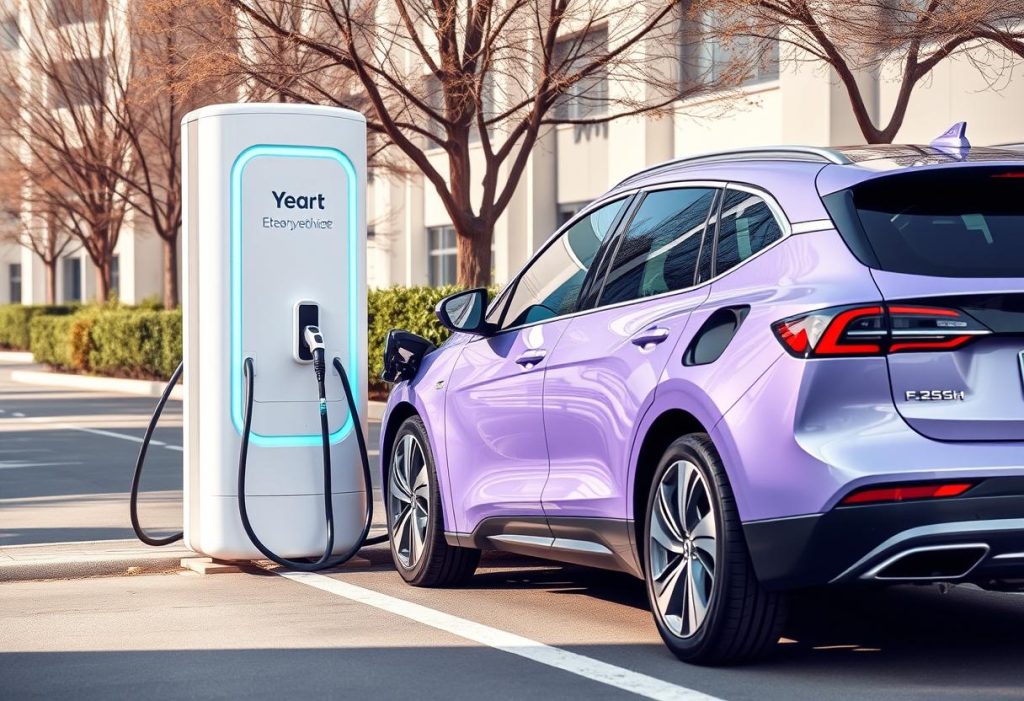
Demand for automotive lithium-ion (Li-ion) batteries and electric passenger car sales have seen exponential growth in recent years. According to the World Economic Forum, the main drivers of demand growth are the electrification of transportation and the deployment of batteries in electricity grids. It estimates that, by 2030, passenger cars will account for the largest share (60%) of global battery demand, followed by the commercial vehicle segment with 23%.
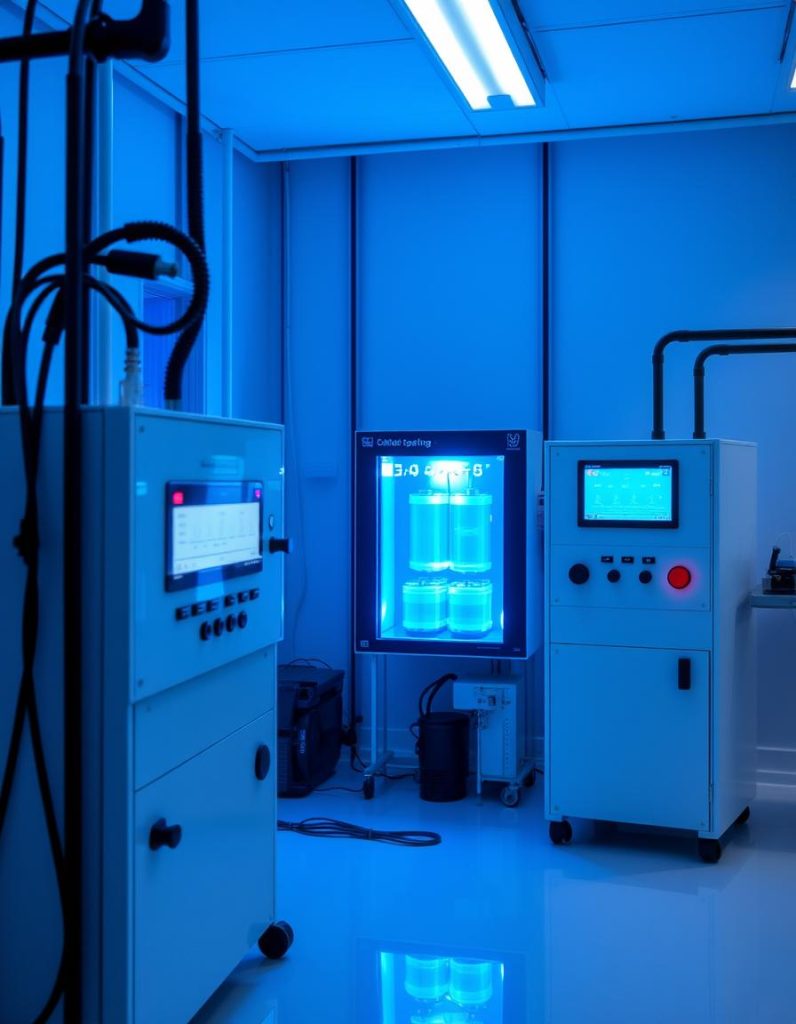
The demand for batteries is growing all over the world—and so is the need for better battery management solutions. Rechargeable batteries are found in medical implants, portable tools, residential and commercial solar systems, electric vehicles, mobile phones, cell towers, and now the huge, critical battery energy storage systems (BESS)s used to support the electricity grid.
The Economist has recently stated that “Energy storage for the electrical grid is about to hit the big time. By the reckoning of the International Energy Agency (IEA), a forecaster, grid-scale storage is now the fastest-growing of all the energy technologies.”
The Waikato Battery Team’s technology will extract state of charge SoC and state of health SoH from current and voltage measurements. The ability of the new technology to provide a clear picture of the remaining life of any battery translates into significant cost savings.
The cheapest version of the new technology is estimated to cost about NZ$8000.
A cost-effective proposition
The Waikato Battery Team’s technology will extract state of charge SoC and state of health SoH from current and voltage measurements. The ability of the new technology to provide a clear picture of the remaining life of any battery translates into significant cost savings.
The cheapest version of the new technology is estimated to cost about NZ$8000.
The Waikato Battery Team’s system would add financial value to manufacturers of batteries, to people doing quality control on purchased batteries, and to other battery researchers at universities and industry.