
Environmental Impact
Go to topics on this page > Impact > Expected outcomes > Maximizing benefit to New Zealand
Energy storage – a shift to renewable energy

Efficient, clean and cost-effective storage of electrical energy is critical for the energy transformation to renewable energies, which is needed for climate change mitigation and to build a resilient and prosperous society. Solving the battery management problem is an important component in achieving this vision. It is estimated that batteries could enable 30% of the required reductions in carbon emissions in the transport and power sector.
Environmental impact on New Zealand
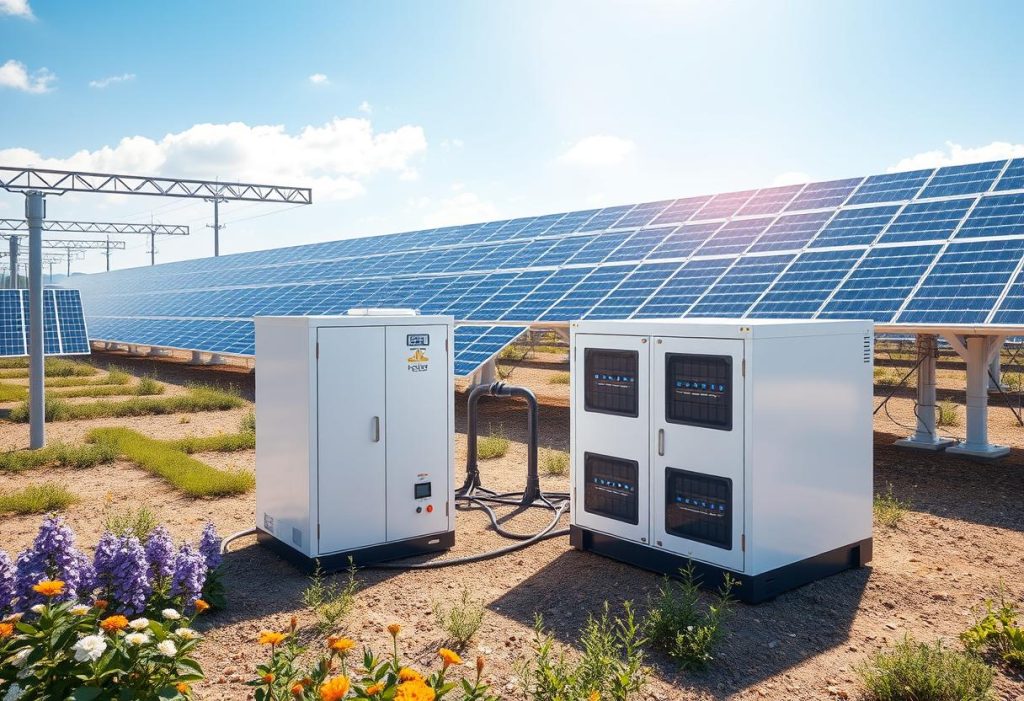
With about 90% of New Zealand’s electricity being renewable and 67% dependent (wind and solar) on increasingly volatile weather due to global warming, battery storage will play an increasingly critical role in the economy.
The economics of domestic solar storage currently rely on naive estimates of battery lifespan. The technology developed by the Waikato Battery Team will give confident reporting of both charge and remaining life, enabling reliable budgeting and reduction of material waste.
Expected Outcomes
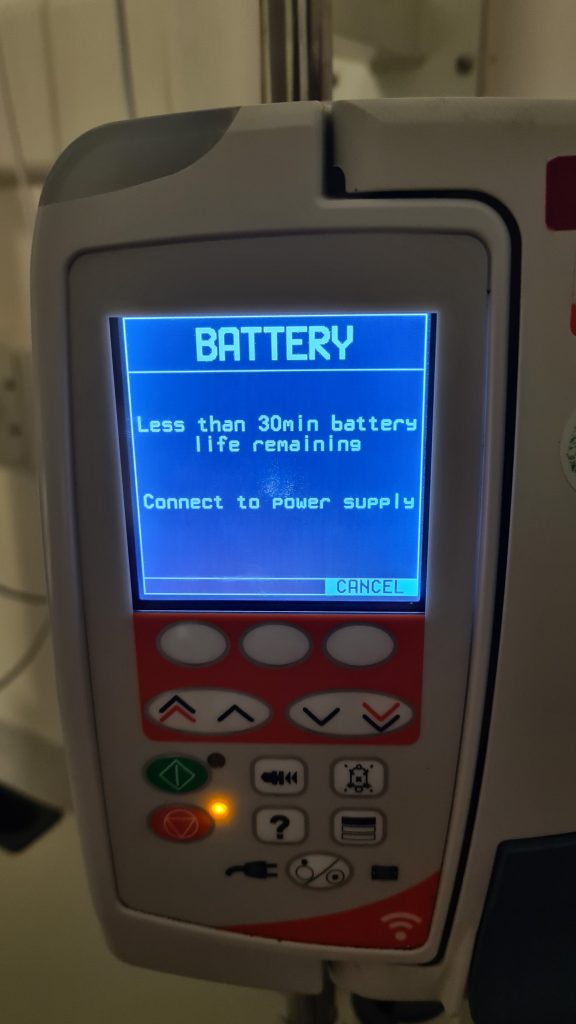
The Waikato Battery Team’s research project is good news for battery manufacturers, those who make and use battery management systems, and those who operate grid-level battery energy storage systems (BESS)s. It will make battery systems more profitable, electric vehicles more trusted, and implant surgeries less frequent. It can also prevent laptops going flat suddenly and cellphone batteries wearing out unexpectedly. Accurate measurement will optimize battery usage and minimize the environmental impact of battery waste.
The research project will result in:
- A low-cost battery cell measurement system that can make reliable and repeatable electrochemical impedance spectroscopy (EIS) measurements into the microhertz range (i.e., extra-low frequencies over very long timescales). This system would be invaluable to battery manufacturers, quality controllers and researchers in universities and industry.
- Technology to extract SoH from current and voltage measurements. This technology is efficient, needs very little memory, and could be implemented in a low-cost BMS with little or no modification to existing hardware.
- Technology to extract SoC in addition to SoH: particularly valuable for applications where fully charged and discharged states may not be reached for long periods of time and/or for battery chemistries (e.g. LiFePO4) in which voltage barely changes despite large changes in SoC. This technology will be more computationally intensive and is expected to be suitable for larger applications such as EVs and energy storage systems.
Maximizing benefit to New Zealand
The Waikato Battery Team’s s innovative systems can foster high-value export technology via licensing, thus yielding high-value returns to NZ from manufacturers of electric vehicles, solar storage systems, and consumer electronics.
A key factor in maximizing benefit and probability of path-to-market is collaboration with those that have the most financial investment at risk: the battery energy storage system (BESS) used by electrical utilities worldwide that cost between $80 and $250 million each. In New Zealand there is one 35MW BESS, owned by the research team’s collaborative partner NewPower (a subsidiary of WEL Networks). There are five more BESSs in advanced planning or construction, each costing more than $100 million. NewPower states that reducing uncertainties in state of charge SoC and lifetime prediction will be invaluable and will lead to tangible benefits for all BESS stakeholders.
The new technology is expected to have an economic impact with products such as electric vehicles (EVs). NZ imports increasing numbers of full-electric cars (~730/month) worth over NZ$1 billion in 2023.